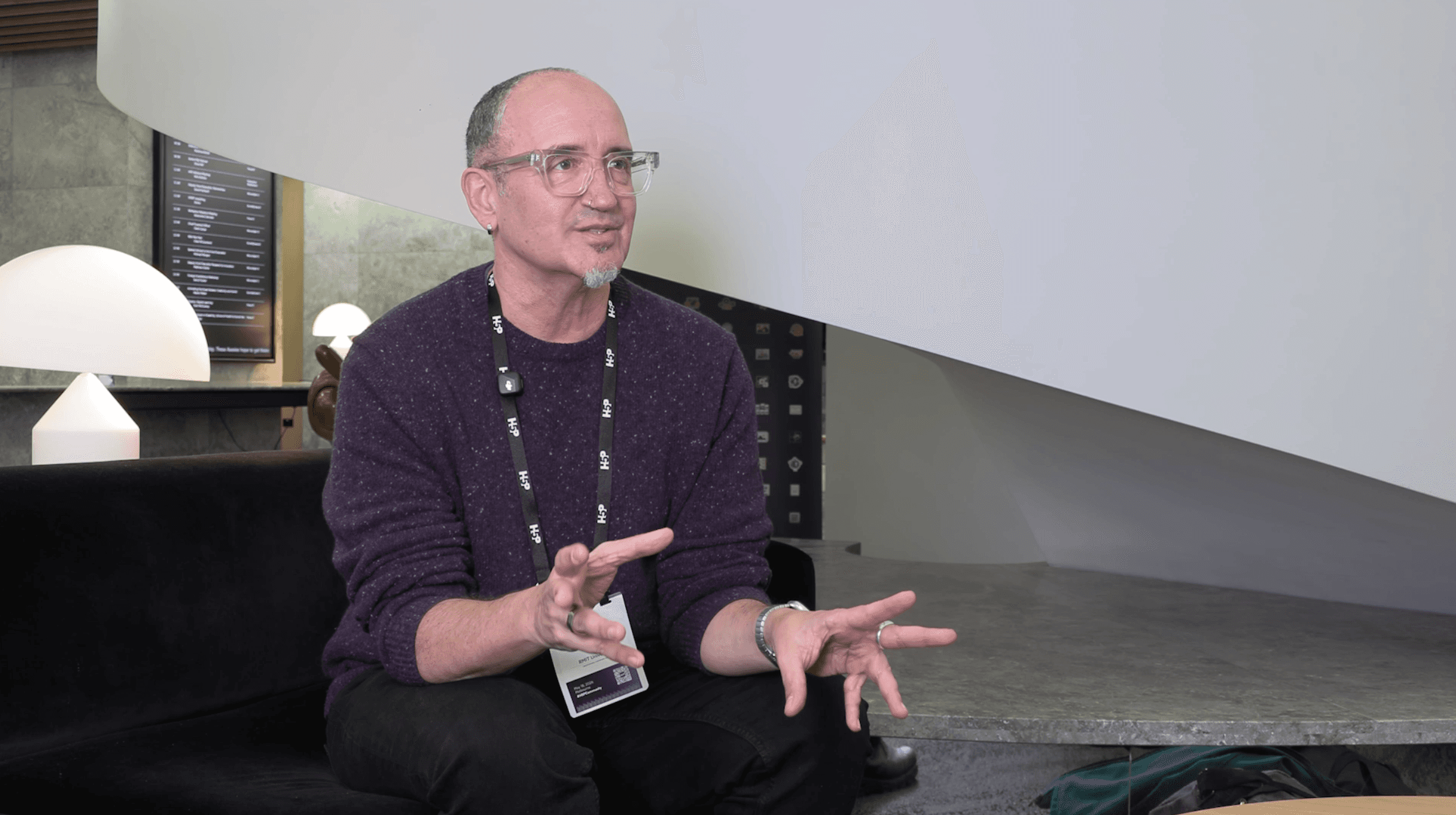
La recherche derrière un meilleur apprentissage grâce à la conception interactive H5P
Découvrez comment les recherches de Theresa Huff montrent que le H5P et la conception multimédia peuvent améliorer la motivation, réduire l'anxiété et enrichir l'apprentissage en ligne.

3 études de recherche
Examen de l'apprentissage multimédia et d'H5P
Réduire l'anxiété
60 % des étudiants ont déclaré une baisse de l'anxiété avec un contenu segmenté
Motivation accrue
Trouvé chez les étudiants utilisant le matériel d'apprentissage H5P
Avertissement : Les résultats dépendent du contexte de trois études différentes ; les résultats finaux peuvent varier. Aucune compensation n'a été fournie pour cet entretien.
Lorsque Theresa Huff, de l'Université d'État de l'Idaho, a commencé à explorer l'apprentissage multimédia dans le cadre de ses recherches doctorales, elle a été attirée par une question simple aux implications vastes : un design multimédia réfléchi pourrait-il aider les étudiants à se sentir plus motivés, plus confiants et moins anxieux dans les environnements d'apprentissage numériques ?
Tout au long de ses recherches doctorales, Theresa Huff a mené trois études connexes examinant comment la conception multimédia influence la motivation, l'engagement et l'anxiété des apprenants. Ces études se sont appuyées sur les sciences cognitives et les principes de conception pédagogique, en utilisant des outils interactifs tels que H5P pour explorer l'impact des choix de conception sur l'expérience de l'apprenant. Les résultats mettent en évidence des opportunités pratiques pour les institutions qui recherchent un apprentissage en ligne plus efficace sans ajouter de complexité inutile pour les enseignants.
Un intérêt de toujours devenu un parcours de recherche
L'attrait initial de Theresa Huff pour le multimédia provient de sa qualité immersive. Enfant, elle a remarqué comment les histoires combinant visuels, audio et mouvement captaient son attention et l'éveillaient à retenir ce qu'elle avait appris. Des années plus tard, elle a utilisé le multimédia dans ses cours en ligne parce qu'il créait un sentiment de présence lorsqu'un instructeur ne pouvait pas être physiquement présent.
Pendant ses études de troisième cycle, elle a découvert les principes multimédias de Richard Mayer (voir citation ci-dessous) et les a trouvés comme une base solide pour améliorer la conception de l'apprentissage numérique. Ces principes ont finalement structuré ses recherches et guidé les choix qu'elle a faits lors du développement d'activités interactives.
« J'ai toujours été intéressée par l'apprentissage multimédia », explique-t-elle. « C'était immersif et cela rendait l'apprentissage plus facile à naviguer. En tant qu'apprenante indépendante, j'appréciais de pouvoir aller à mon propre rythme. »

La question motrice de sa recherche
Au cours de son doctorat, Theresa Huff a mené trois études liées mais distinctes explorant l'apprentissage actif, l'anxiété de l'apprenant et la conception multimédia dans les environnements d'apprentissage numériques. Chacune examine une question constante : le multimédia interactif influence-t-il la motivation, l'anxiété, l'attention, l'engagement et la satisfaction des étudiants ? Ces aspects sont importants car les étudiants se désengagent souvent pour des raisons émotionnelles, et non académiques, en particulier dans les environnements en ligne. En plus de principes tels que la segmentation, les activités génératives et le feedback, sa recherche de thèse a également examiné le principe de conception émotionnelle, qui considère comment les choix de conception visuelle et esthétique peuvent influencer les réponses émotionnelles des apprenants.
À travers son travail, plusieurs tendances claires ont émergé :
Les étudiants utilisant des activités soutenues par H5P ont rapporté une motivation plus élevée. Ce résultat s'aligne avec une étude contrôlée randomisée qu'elle a publiée avec Daphne Tseng, qui a montré des scores de motivation significativement plus élevés chez les étudiants utilisant un manuel numérique amélioré avec H5P, ainsi que des gains significatifs en matière de pertinence et de satisfaction.
La satisfaction et la pertinence perçue ont augmenté lorsque les principes multimédias ont été appliqués à travers des activités interactives H5P. La même étude a démontré que les étudiants qui progressaient à travers des activités H5P interactives et autonomes rapportaient des scores de pertinence et de satisfaction plus élevés que ceux utilisant une version statique du matériel.
L'anxiété a diminué de manière significative lorsque le contenu était segmenté en parties gérables. L'anxiété a diminué de manière significative lorsque le contenu était segmenté en parties gérables. Dans ses recherches de doctorat, Theresa Huff a découvert que le fait de diviser un contenu dense en sections plus petites et plus faciles à naviguer à l'aide de l'outil Course Presentation ou Accordion de H5P était fortement associé à une réduction de l'anxiété de l'apprenant, en grande partie parce que les étudiants percevaient le contenu comme plus gérable et éprouvaient un plus grand sentiment de contrôle.
Les résultats n'étaient pas liés à un sujet ou à une discipline en particulier. Ils étaient plutôt liés à la manière dont l'information était structurée.

Comment les principes de conception façonnent l'expérience d'apprentissage
Les recherches de Theresa Huff ont montré que le multimédia fonctionne mieux lorsqu'il est ancré dans des principes de conception plutôt que d'être ajouté comme une simple couche décorative. Elle a utilisé H5P parce que l'outil propose une gamme de types d'activités qui facilitent l'application de principes tels que la segmentation, les activités génératives et les principes de feedback.
Dans l'ensemble de son travail, le principe multimédia de segmentation a montré un effet particulièrement fort. Lorsque Theresa Huff a divisé une longue page de texte en une séquence d'écrans courts à l'aide de l'outil Course Presentation de H5P, les étudiants ont décrit le contenu comme moins accablant, même si la quantité de texte restait inchangée.
« Soixante pour cent ont déclaré que la version segmentée réduisait leur anxiété. Ils avaient l'impression que cela prendrait moins de temps. Ils avaient le contrôle sur le rythme. »
Theresa Huff
Elle a également utilisé les vidéos interactives, les quiz et les blocs accordéons de H5P pour soutenir les activités génératives et la rétroaction. Dans ce contexte, les activités génératives visaient à aider les apprenants à sélectionner et à organiser les nouvelles informations, tandis que la rétroaction offrait aux apprenants des conseils sur l'exactitude de leurs réponses au fur et à mesure de leur progression dans le matériel. Ensemble, ces choix de conception ont soutenu les principes de charge cognitive et ont aidé les étudiants à rester concentrés. La leçon à retenir était claire : une conception multimédia réfléchie, ancrée dans des principes d'apprentissage établis, peut soutenir les apprenants tant sur le plan émotionnel qu'académique.
Raisons pratiques pour lesquelles H5P a bien fonctionné pour la recherche et l'enseignement
Huff veille à souligner que son travail est ancré dans la pédagogie plutôt que dans les outils. Malgré tout, H5P correspondait bien aux besoins de ses études. Il offrait une flexibilité grâce à une large gamme de types d'activités, une portabilité entre les systèmes et une accessibilité de deux manières importantes. En tant qu'outil gratuit et open-source, il a rendu la conception interactive accessible sans barrières de licence. En même temps, les types d'activités H5P spécifiques qu'elle a sélectionnés pour ses recherches étaient compatibles avec les lecteurs d'écran et d'autres technologies d'assistance, soutenant ainsi les apprenants ayant divers besoins d'accès et rendant l'approche de conception plus durable pour les enseignants soumis à des exigences d'accessibilité.
« J'aurais pu utiliser d'autres outils », dit-elle. « Mais H5P était portable, facile à construire et gratuit. Cela le rendait idéal pour la recherche et idéal pour les enseignants également. »
Pour les Centres pour l'enseignement et l'apprentissage et les décideurs en technologies éducatives, ces qualités soutiennent des pratiques évolutives et durables. Elles réduisent la charge technique et permettent aux enseignants de se concentrer sur la conception plutôt que sur la gestion des logiciels.
Ce que les apprenants ont dit des activités
Dans l'étude de thèse de Huff sur l'anxiété, qui comprenait des réflexions d'étudiants, les apprenants ont souligné des aspects spécifiques qui les ont aidés à rester engagés. Ils ont apprécié de pouvoir avancer à leur propre rythme, de voir le contenu organisé en sections plus petites ou interactives, et de réaliser des activités d'entraînement à faible pression avec une rétroaction immédiate.
Ces réactions renforcent l'idée que la motivation et l'anxiété influencent les résultats d'apprentissage tout autant que la connaissance du contenu. Lorsque les étudiants se sentent moins dépassés, ils s'engagent plus profondément dans le matériel.

Aider les enseignants à démarrer sans se sentir dépassés
Dans son travail précédent de soutien aux auteurs enseignants qui développent des manuels de ressources éducatives libres (REL), Huff a constaté de visu à quel point le multimédia pouvait sembler intimidant. Pour le rendre plus accessible, elle a créé des catalogues de présentation qui classent les activités H5P en trois groupes : présentation du contenu, pratique formative et réflexion approfondie. Elle a également encouragé les enseignants à commencer par leurs objectifs d'apprentissage. L'identification de ce que les étudiants doivent faire a permis de cibler les types de H5P qui conviennent.
« Si un objectif d'apprentissage comprenait l'identification ou la reconnaissance », explique-t-elle, « cela vous oriente déjà vers des types d'activités spécifiques. Cela vous donne un point de départ au lieu de vous sentir dépassé par les options. »
Un avenir axé sur la connexion humaine et l'utilisation intentionnelle
Les réflexions prospectives de Huff dépassent le cadre du multimédia pour s'étendre à l'écosystème plus large de l'apprentissage numérique. Elle estime que les apprenants et les enseignants sont tous deux saturés de contenus et de notifications. Cela l'amène à réfléchir à la manière dont les cours peuvent être conçus pour le calme plutôt que pour la stimulation. Elle imagine des interfaces qui réduisent l'encombrement cognitif, des devoirs qui exigent une réelle interaction humaine, et des moments structurés de réflexion qui aident les apprenants à consolider ce qu'ils ont assimilé.
« Nous absorbons constamment du contenu, et je réfléchis toujours à la manière de concevoir des environnements qui favorisent l'attention et réduisent l'anxiété. Nous savons que lorsque l'anxiété diminue, l'apprentissage augmente. »
Theresa Huff
Ses recherches suggèrent un avenir dans lequel le contenu interactif n'est pas simplement plus riche ou plus complexe, mais plus intentionnel et plus à l'écoute du bien-être humain.
Une recherche aux retombées pratiques pour les institutions
Les travaux de Huff apportent une preuve solide que le contenu interactif peut améliorer la motivation, la satisfaction et la confiance, tout en réduisant l'anxiété lorsqu'il s'appuie sur des principes de conception éprouvés. H5P s'est avéré l'outil idéal pour lui permettre de les appliquer et de les tester à grande échelle. Toutefois, la conclusion la plus importante est que les institutions peuvent favoriser un meilleur apprentissage en concevant des contenus qui respectent la charge cognitive, préservent l'autonomie des étudiants et réduisent les frictions inutiles. Lorsque l'apprentissage numérique est plus clair et structuré de manière réfléchie, il devient moins accablant et plus efficace pour toutes les personnes impliquées.
Biographies :
Theresa Huff
Theresa Huff est professeure adjointe d'éducation au Cottey College et conceptrice pédagogique de REL (Ressources Éducatives Libres). Son expertise professionnelle englobe la conception pédagogique, l'apprentissage en ligne, les ressources éducatives libres (REL), l'accessibilité, H5P, Pressbooks, le développement du corps professoral et l'intégration éthique de l'IA. Ses recherches portent sur l'apprentissage multimédia, l'anxiété des apprenants, la motivation, l'engagement et les environnements d'apprentissage en ligne émotionnellement sûrs. Elle a soutenu des initiatives REL multi-institutionnelles, présenté ses travaux lors de conférences nationales et internationales, et conçoit des expériences d'apprentissage pratiques et centrées sur l'humain qui associent une conception basée sur la recherche à un apprentissage équitable et adaptable.
ChingYu (Daphne) Tseng
ChingYu (Daphne) Tseng est architecte d'apprentissage à l'Air Force Global College de l'Air University. Son domaine d'expertise comprend la conception pédagogique, l'apprentissage en ligne, l'accessibilité, le développement professionnel des enseignants et les ressources éducatives libres (REL). Ses recherches se concentrent sur l'engagement des apprenants, l'apprentissage amélioré par H5P, l'évaluation authentique et les applications innovantes de la technologie éducative. Elle a présenté ses travaux dans de nombreuses conférences nationales et internationales et a dirigé des initiatives visant à améliorer les expériences d'apprentissage en ligne, à promouvoir l'engagement des étudiants et à soutenir l'excellence dans l'éducation militaire professionnelle.
Références citées :
Mayer, R. (2022). Multimedia learning (3e éd.). Cambridge University Press.
Huff, T. (2024). Measuring the efficacy of using four multimedia principles in alleviating anxiety in online learning environments (Publication No. 31639845) [Thèse de doctorat, Idaho State University]. ProQuest Dissertations & Theses Global.
Huff, T., Tseng, D.C.Y. Active Learning in Open Digital Textbooks: Designing for Learner Engagement and Motivation using H5P. TechTrends 70, 240–252 (2026).
Huff, T. (2026) Designing calm in digital textbooks: Applying multimedia principles to reduce online learner anxiety. The Open/Technology in Education, Society, and Scholarship Association Journal